
 +86-0515-86223369
  0
0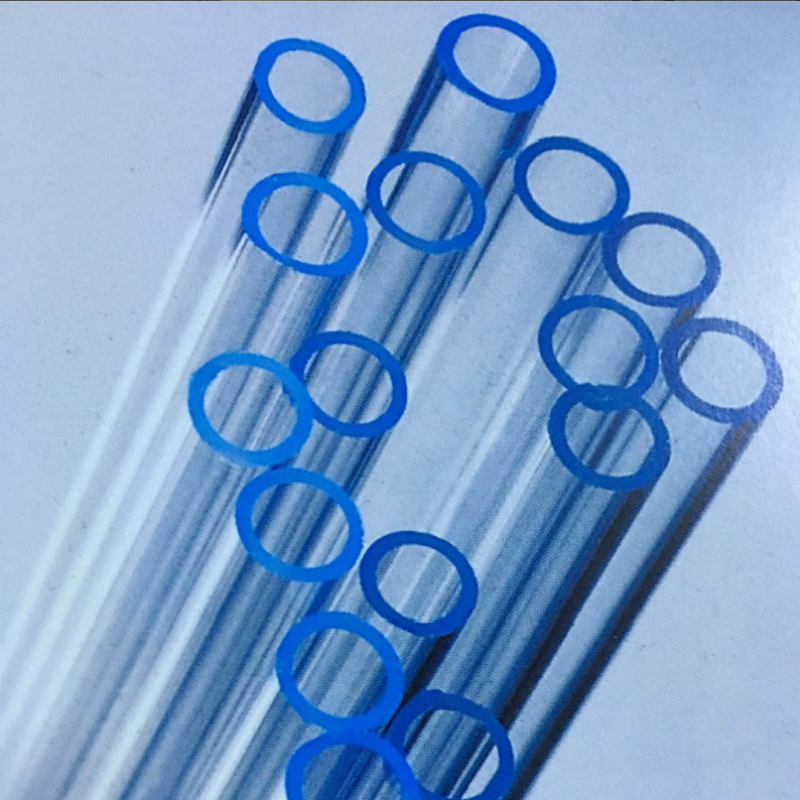


Se hai bisogno di aiuto, non esitare a contattarci
 Products & Solutions
 it
it

Casa / Notizia / Novità del settore / Fused Quartz Density 2.2 g/cm³: Properties and Purchasing Guide for Buyers
Fused Quartz Density 2.2 g/cm³: Properties and Purchasing Guide for Buyers
An engineer preparing a furnace line for a new wafer process usually opens with two questions: what purity grade is available, and how heavy is the quartzware. The second question rarely appears on a data sheet as a formal specification, but every handling fixture, hoist limit, heat-up schedule, and thermal-mass calculation depends on it. The answer comes down to fused quartz density, a value commonly written as 2.2 g/cm³ and just as commonly treated as a fixed natural constant. In reality, density is a process-sensitive fingerprint of the glass, influenced by the manufacturing route, hydroxyl content, trace impurities, and thermal history. When an experienced fused quartz supplier quotes 2.20 to 2.21 g/cm³ for clear quartz glass, that narrow range already tells a buyer a great deal about melting stability and annealing discipline. This guide explains what fused quartz density really means, how much it can vary across grades, how to measure it, why it matters in semiconductor, optical, heating, and laboratory applications, and how purchasing teams should use it when comparing a quartz glass manufacturer, supplier, or wholesaler.
The short conclusion is this: do not buy on the single number "2.2 g/cm³" alone. A responsible quartz glass manufacturer provides a density range, a test method, and a certificate of analysis. The practical difference between 2.18 and 2.23 g/cm³ in a large diffusion tube can change the component weight by more than a kilogram, alter heat absorption during ramp-up, and sometimes indicate an uncontrolled thermal history that will show up as sagging or devitrification later in service.
What Is Fused Quartz Density and Why Should Buyers Care?
Density is mass divided by volume. For a dense, non-porous glass such as fused quartz, the theoretical density is determined by the atomic structure. Fused quartz is amorphous silicon dioxide; it has the same chemical formula as crystalline quartz, SiO₂, but the atoms are arranged in a random, disordered network instead of an ordered crystal lattice. Because that random network cannot pack atoms as efficiently as a crystal, amorphous silica is measurably less dense. Crystalline alpha-quartz has a density of about 2.65 g/cm³, while fused quartz density sits near 2.20 g/cm³. This difference of roughly 17 percent is not a defect; it is a direct consequence of the glassy structure that gives fused quartz its low thermal expansion and outstanding thermal shock resistance.
Buyers see the value expressed in several unit systems, and it is worth knowing how they convert. One gram per cubic centimeter is equal to 1,000 kilograms per cubic meter, so the familiar fused quartz density figure of 2.2 g/cm³ is the same as 2.2 × 10³ kg/m³. In imperial units, that corresponds to about 137.4 lb/ft³. A quartz plate with dimensions 300 × 300 × 10 mm therefore has a volume of 900 cm³ and a calculated mass of roughly 1.98 kg when the density is 2.20 g/cm³. The same plate at 2.24 g/cm³ would weigh about 2.02 kg, and while a 40 gram difference seems trivial in the drawing office, it becomes significant when dozens of large components are mounted on a cantilevered cantilever rack inside a furnace.
Why should a procurement professional care about the difference? First, weight affects shipping cost, handling fixtures, and the sizing of robotic arms used to load quartz boats and crucibles. Second, density correlates with structural relaxation in the glass: a component that has been quenched rapidly from high temperature can have a slightly lower density than a slowly annealed component of identical chemical composition. Third, density uniformity matters in precision optics because local density variations produce local refractive index variations. When a purchaser asks a supplier for the density value and the method used to obtain it, that single question filters out a surprising number of unqualified traders who have never weighed a single sample under water.
Key takeaway: Fused quartz density is about 2.20 g/cm³, roughly 17 percent lower than crystalline quartz, and the exact value is a useful indicator of glass quality, thermal history, and process control.
Fused Quartz Density vs. Other Materials: A Practical Comparison
Density is often the first sorting criterion an engineer applies when shortlisting materials for a high-temperature or optical component. Fused quartz is frequently compared with borosilicate glass, soda-lime glass, alumina ceramics, and stainless steel because these materials occupy overlapping application spaces in furnaces, lamp housings, vacuum chambers, and laboratory benches. The table below shows nominal density values together with two properties that matter more than density alone: the coefficient of thermal expansion and the practical continuous-use temperature. A material can be light but useless in a furnace if it expands too much, and it can be dense yet perfectly acceptable if the design tolerates the weight.
| Material | Density (g/cm³) | CTE (×10⁻⁶/K) | Practical continuous-use temperature (°C) | Typical use |
|---|---|---|---|---|
| Fused quartz (clear) | 2.20–2.21 | 0.55 | 1100–1200 | Furnace tubes, crucibles, optical windows |
| Synthetic fused silica | 2.20 | 0.52 | 1100–1200 | UV optics, precision windows, semiconductor parts |
| Borosilicate glass | 2.23 | 3.3 | 450–500 | Laboratory glassware, sight glasses |
| Soda-lime glass | 2.50 | 8.6 | 400–450 | Bottles, flat glass, disposable lab items |
| Aluminum alloy | 2.70 | 23 | 300 | Frames and structural fixtures |
| Alumina ceramic (96%) | 3.72 | 8.0 | 1300–1500 | Insulators, wear parts, kiln furniture |
| Stainless steel 304 | 8.00 | 17 | 800 | Chamber walls, flanges, support structures |
The density difference becomes easier to read when it is drawn to scale, so the chart below compares the same materials as horizontal bars. Each bar is proportional to the density value in grams per cubic centimeter, and the scale is fixed at 8 g/cm³ so that the lighter glass-family materials remain clearly resolved rather than being compressed into invisible slivers.
The first practical observation is that fused quartz and borosilicate glass have almost identical density values, 2.20 to 2.21 versus 2.23 g/cm³, yet their thermal behavior could not be more different. If density alone determined which material to choose for a furnace component, there would be no reason to pay the premium for quartz glass. The deciding factors are the coefficient of thermal expansion and the maximum use temperature, not density. Fused quartz expands at roughly 0.55 × 10⁻⁶ per degree Kelvin, about six times less than borosilicate glass, and that low expansion is what gives quartz its ability to survive rapid heating and cooling without cracking. The second observation concerns weight. A fused quartz plate measuring 300 × 300 × 10 mm weighs about 1.98 kg, while the same plate in stainless steel weighs about 7.2 kg, and the same plate in alumina ceramic weighs about 3.35 kg. For large quartz windows used in vacuum chambers, every millimeter of thickness adds roughly 2.2 grams per square centimeter of area, so a 200 mm diameter window at 15 mm thickness already weighs more than a kilogram before the mounting flange is added. The third observation is that a higher density does not mean a stronger or more thermally stable part. Alumina is about 68 percent heavier than fused quartz, yet its much higher expansion rate makes it far more vulnerable to thermal shock in rapid-cycle furnaces. In heating and lamp manufacturing, quartz's moderate density gives it a useful balance between mechanical stability and low thermal inertia, meaning that thin quartz tubes heat up fast and cool down fast without storing excessive energy. The chart also highlights how close in weight quartz and borosilicate actually are, which is why laboratory customers sometimes cannot distinguish them by hand alone and must rely on documented material certificates. Finally, the overall message is that fused quartz density belongs to a family of properties, and the best material choice is made by reading the whole property profile rather than a single number.
Key takeaway: Fused quartz is one of the lightest high-temperature engineering materials available, but its true value comes from combining moderate density with extremely low thermal expansion.
What Changes Fused Quartz Density? Process Variables and Grade Differences
If fused quartz is always SiO₂, why do different grades show slightly different density? The answer lies in the physics of the amorphous network. Pure vitreous silica is an open, random network of silicon-oxygen tetrahedra, and any factor that changes the connectivity or packing of that network will shift the density by small but measurable amounts. The two most important factors are hydroxyl content and thermal history, with impurities and structural damage playing secondary roles.
Hydroxyl groups, written in glass chemistry as Si–OH, break up the silicon-oxygen network by replacing bridging oxygen bonds with terminal hydroxyl groups. Higher OH content opens the structure and therefore lowers density. A flame-hydrolysis synthetic fused silica grade with 800 to 1,000 ppm of hydroxyl can be measurably less dense than a plasma-deposited grade with less than 1 ppm, although the difference is typically only in the range of 0.01 to 0.02 g/cm³. That small variation matters in precision optics but rarely in structural quartzware. Thermal history is the second major factor. When glass is cooled quickly from a high temperature, the disordered structure is "frozen in" at a higher fictive temperature, which leaves more free volume and produces a slightly lower density. When the same glass is annealed slowly and held near its annealing point, the network relaxes to a more compact arrangement and the density rises. For this reason, a quartz furnace tube that has been properly annealed may show a density closer to 2.21 g/cm³, whereas a poorly annealed or quenched part may sit closer to 2.19 g/cm³.
Manufacturing method also plays a role. Electric melting of natural quartz crystal produces high-quality transparent quartz, while flame fusion with an oxy-hydrogen torch can introduce high hydroxyl levels from the combustion water vapor. Synthetic fused silica made from silicon tetrachloride in a flame hydrolyzer has an even higher OH content, while the soot-remelting and plasma processes produce low-OH materials. The table below summarizes the conventional IUPAC-style grade classification used widely in the industry, along with typical hydroxyl levels and density ranges. The optical grades JGS1, JGS2, and JGS3 that appear in Chinese-manufactured quartz glass catalogs map onto these families: JGS1 is typically synthetic fused silica for far-ultraviolet work, JGS2 is ultraviolet-grade quartz glass melted from natural crystal, and JGS3 is an infrared grade with deliberately low hydroxyl content.
| Grade | Production route | Typical OH content (ppm) | Typical density (g/cm³) | Representative products |
|---|---|---|---|---|
| Type I | Electric melting of natural quartz | 3–30 | 2.20–2.21 | Clear quartz tubes, rods, blocks |
| Type II | Oxy-hydrogen flame fusion | 150–250 | 2.20–2.21 | Lamp-grade quartz envelopes |
| Type III | Flame hydrolysis of SiCl₄ | 800–1,000 | 2.20 | JGS1 far-UV optical plates |
| Type IV | Plasma deposition / soot remelting | 0.1–5 | 2.20–2.21 | Low-OH infrared optics |
For a buyer, the practical implication is that a density value alone cannot identify a grade, but a grade without a density value is incomplete. When a factory quotes that a batch of semiconductor-grade quartz tubes has been measured at 2.201 ± 0.003 g/cm³ after annealing, the buyer learns that the producer understands structural relaxation, maintains annealing furnaces, and can correlate density to performance. By contrast, a trader who insists that all fused quartz is exactly 2.2 g/cm³ and offers no test report has no real process visibility. A related phenomenon worth knowing about is irradiation compaction. Fast neutrons or intense radiation can densify vitreous silica by up to 3 percent, which is why specialty components used in nuclear and space environments are sometimes specified with density measurements before and after exposure. Ordinary furnace and optical applications do not see this effect, but it is a reminder that density is a property that responds to the world around it.
Key takeaway: Hydroxyl content, fictive temperature, annealing practice, and melting route cause small but meaningful density differences; a careful fused quartz manufacturer documents these differences instead of hiding behind a rounded nominal value.
Why Fused Quartz Density Matters in Real Applications
Once the theory is clear, the next question is operational: where does the density value actually change a decision? The answer can be grouped into four application families that match the product range of a typical quartz glass manufacturer: semiconductor and photovoltaic processing, optical components, infrared heating and lamp systems, and precision laboratory apparatus.
Semiconductor and photovoltaic processing
In a semiconductor diffusion furnace, quartz tubes, boats, and crucibles spend thousands of hours above 1,100°C. The component mass, which is directly proportional to fused quartz density, determines how much heat is absorbed during ramp-up and how slowly the load responds to temperature setpoint changes. A 300 mm diameter diffusion tube with a 5 mm wall thickness weighs roughly 20 kg per meter; a density error of 0.02 g/cm³ changes that by about 180 grams per meter, enough to influence the calibration of a wafer handling robot that was programmed for a specific payload. Density also interacts with the crucible performance in both Czochralski crystal growth and photovoltaic ingot casting. A uniformly dense crucible wall provides even heat transfer and predictable bubble structure, while a crucible with localized density variation can behave unpredictably during high-temperature sagging. When a semiconductor fab compares a quartz glass manufacturer for supply contracts, asking for the density range of the electronic-grade crucible batch is a legitimate technical inquiry, not a formality. For the same reason, engineers who are responsible for ingot growth should look closely at measurement consistency before approving a new quartz crucible supplier.
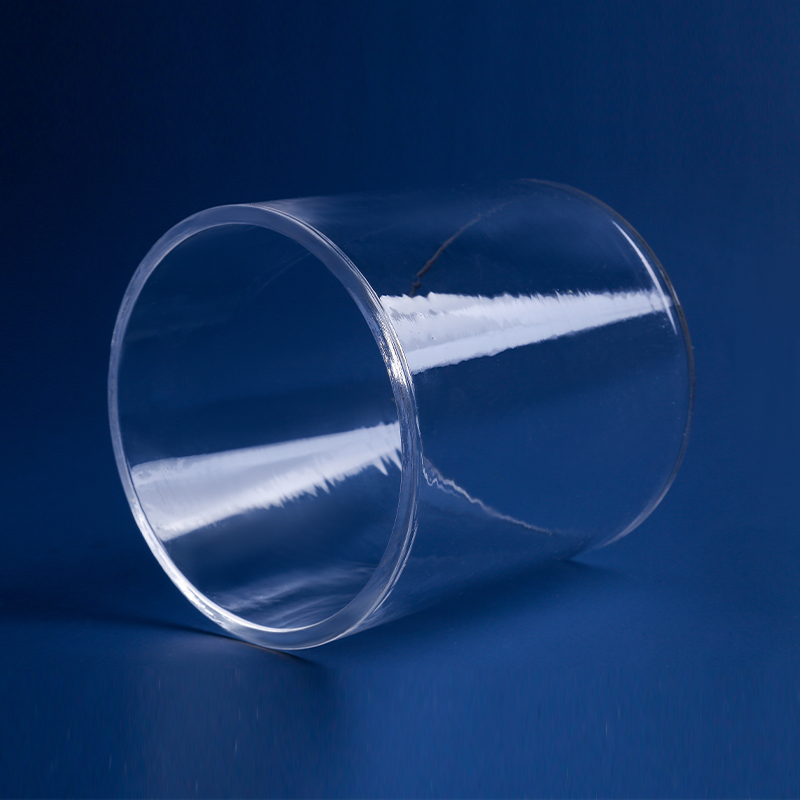
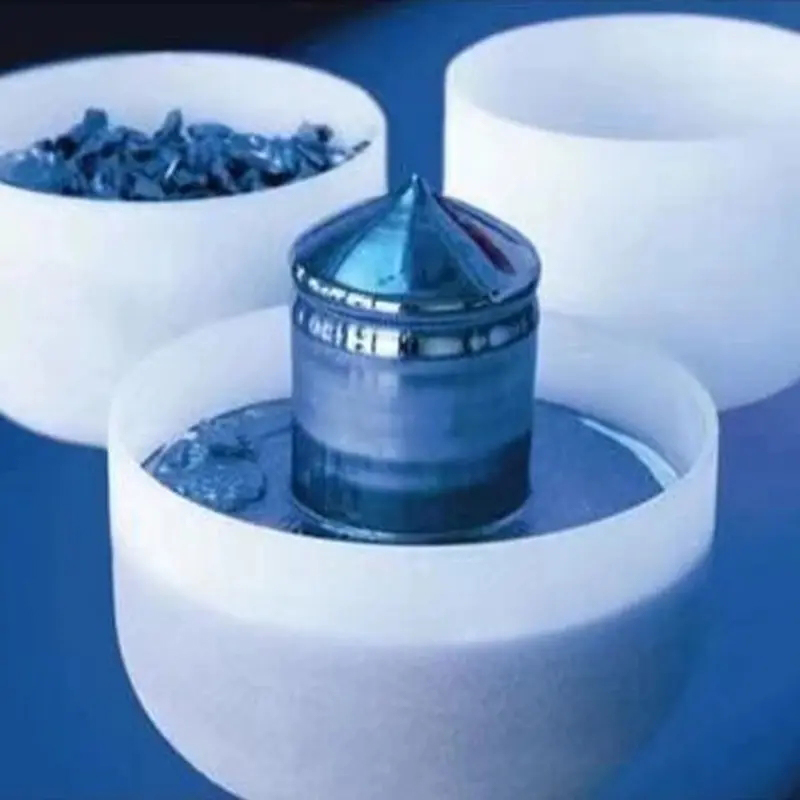
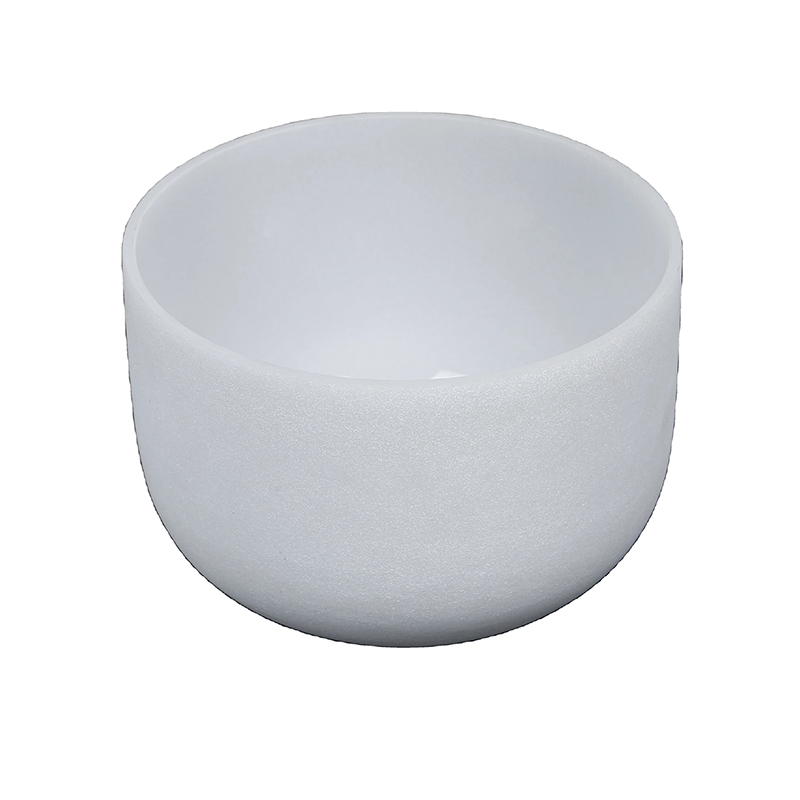 Semiconductor Electronic Grade Quartz Crucible for High Purity ApplicationsThis crucible requires SiO2 purity above 99.998% and impurity levels below 10 ppm, making it a critical component for semiconductor diffusion and crystal growth processes where density uniformity directly affects thermal and mechanical performance.View Product →
Optical components and laser systems
In optics, density uniformity is closely linked to refractive index homogeneity. A fused quartz window, prism, or lens that shows local density variation will also show local index variation, which degrades wavefront quality and can create polarization effects in high-power laser systems. Large windows and viewports also have a practical weight problem. A 150 mm diameter, 20 mm thick fused quartz window weighs about 778 grams, and a full vacuum chamber with six such viewports adds nearly 5 kg of quartz alone. Mounting flanges must be designed for that weight plus the vacuum pressure load, and the responsible engineer will multiply the volume by a conservatively stated density, usually 2.21 g/cm³ for clear fused quartz, before finalizing the bolt pattern. The optical grades produced by a quartz glass factory in China are normally separated into JGS1 for far-ultraviolet, JGS2 for general ultraviolet, and JGS3 for infrared applications, and the density of each grade is included in the factory certificate. A buyer who accepts a "typical properties" table without the measured lot value is missing exactly the data that links the plate to its optical behavior.
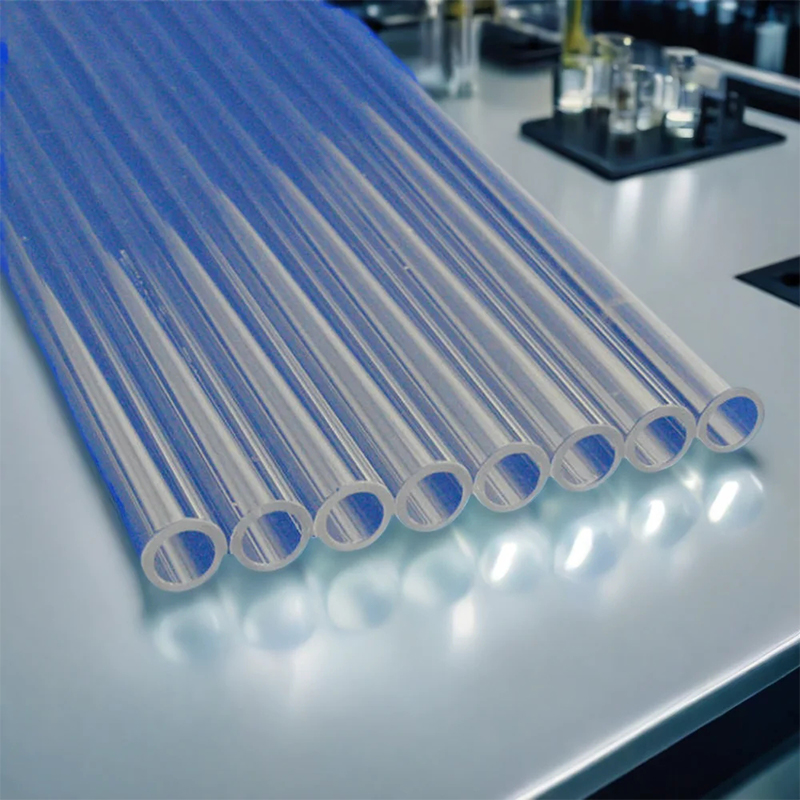
 Transparent Quartz Tube for Optical and Industrial UseWith over 93% optical transmittance and low hydroxyl content, this tube is suitable for lamp manufacturing and heating applications. Its density influences weight and thermal behavior, helping engineers choose the right specification.View Product →
Infrared heating elements and lamp systems
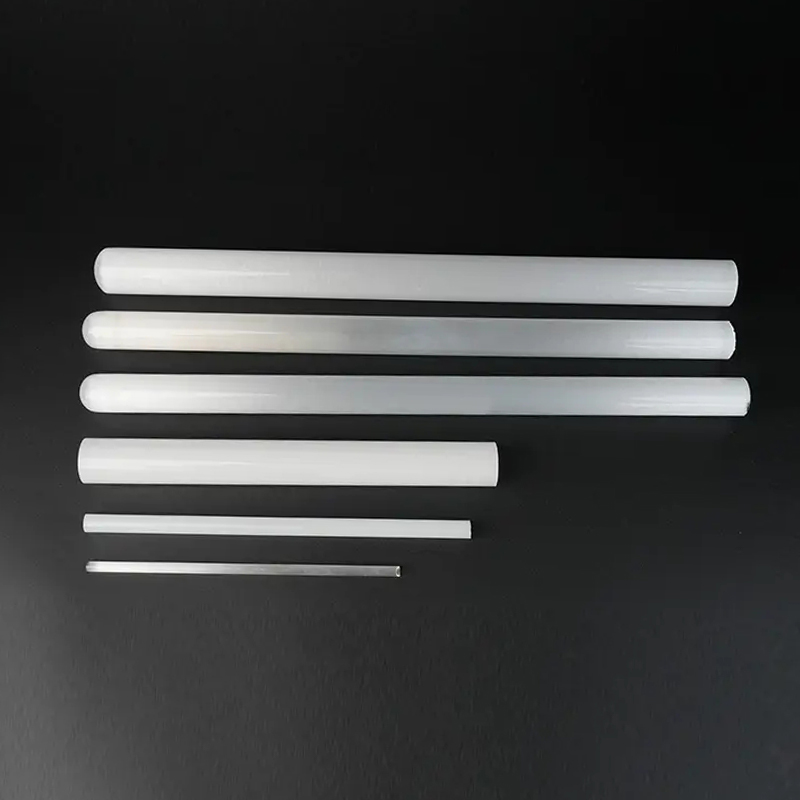
Infrared quartz heaters rely on thin quartz tubes that contain carbon fiber, nickel-chromium alloy wire, or tungsten wire heating elements. The quartz envelope is chosen because it transmits infrared radiation efficiently, withstands temperatures above 800°C, and does not react with the heating element. Density determines the wall thickness measurement and the weight per meter that buyers use to compare quotes from different suppliers. A milky white quartz tube is made translucent by the presence of a controlled distribution of micro-bubbles; those bubbles lower the effective bulk density while preserving the thermal performance that decorative and industrial heaters require. At the other extreme, a fully transparent tube is free of large bubbles and reaches nearly the theoretical density of 2.20 g/cm³. A competent factory will quote the two products with different density expectations, and an experienced heating element manufacturer will use that difference to select the correct tube for the target application.
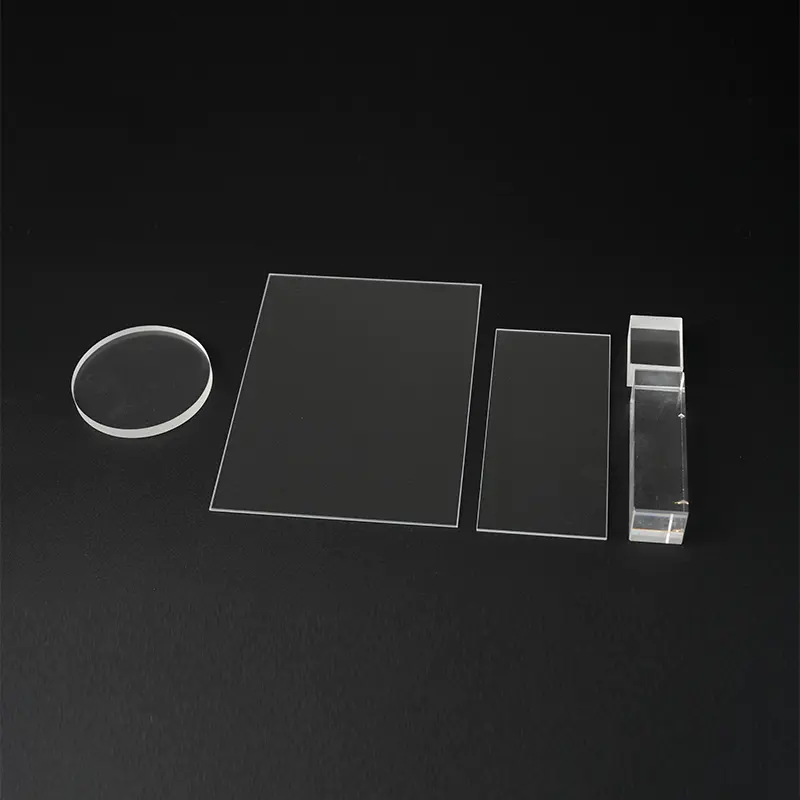
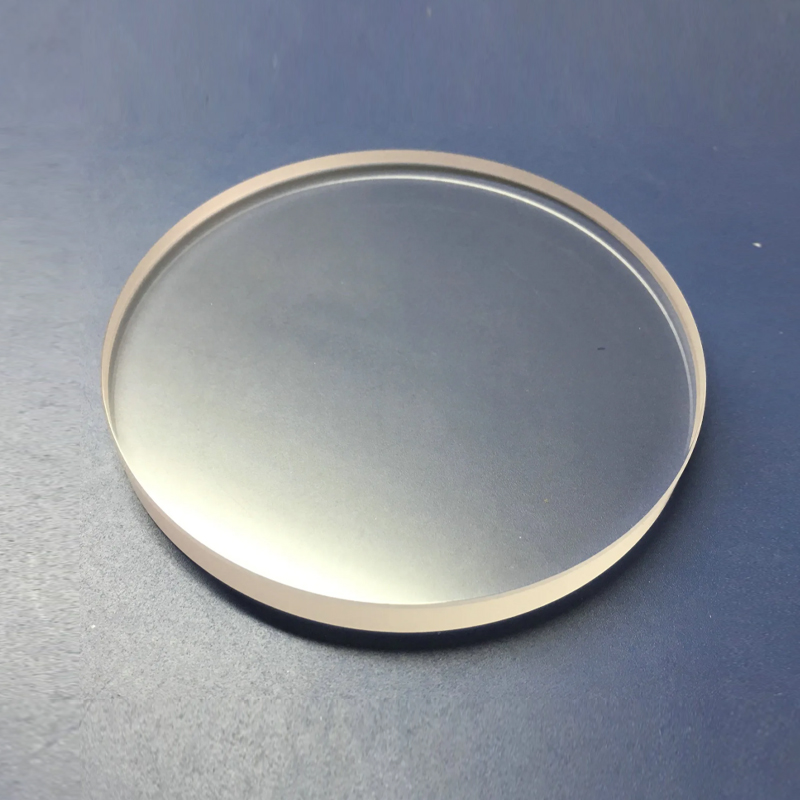
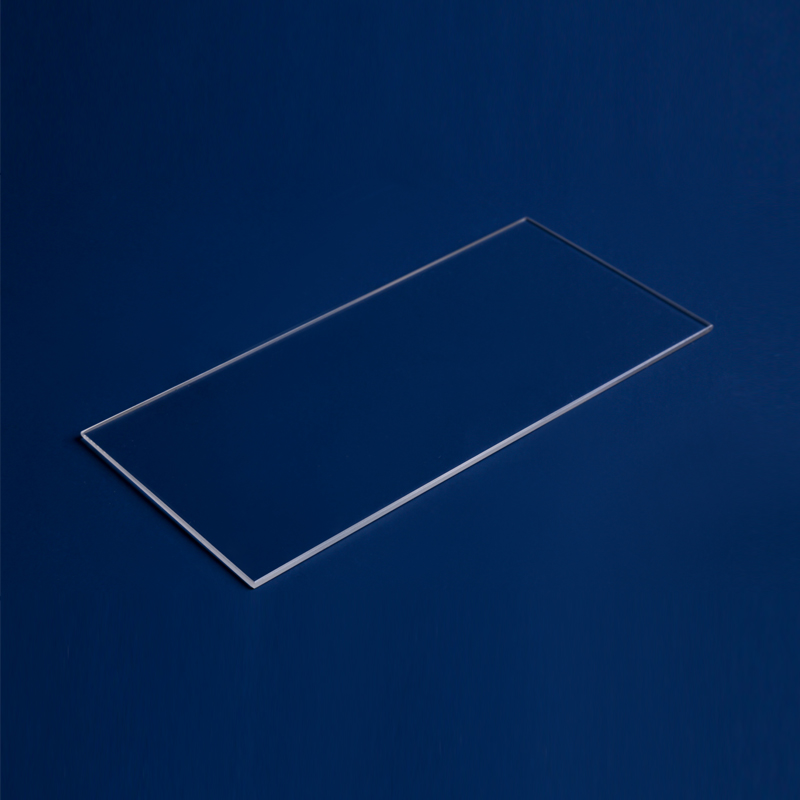
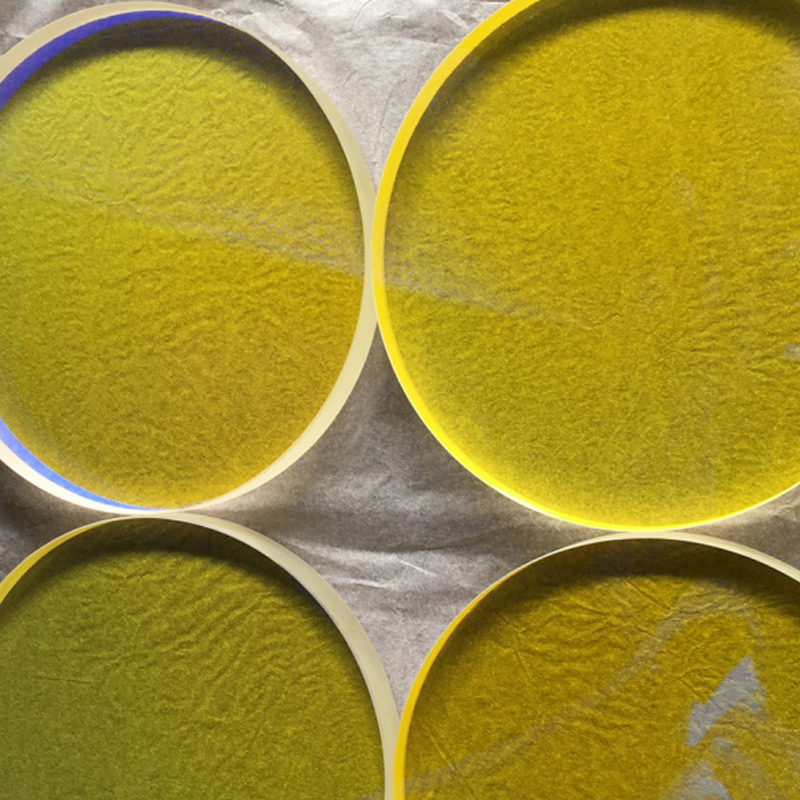
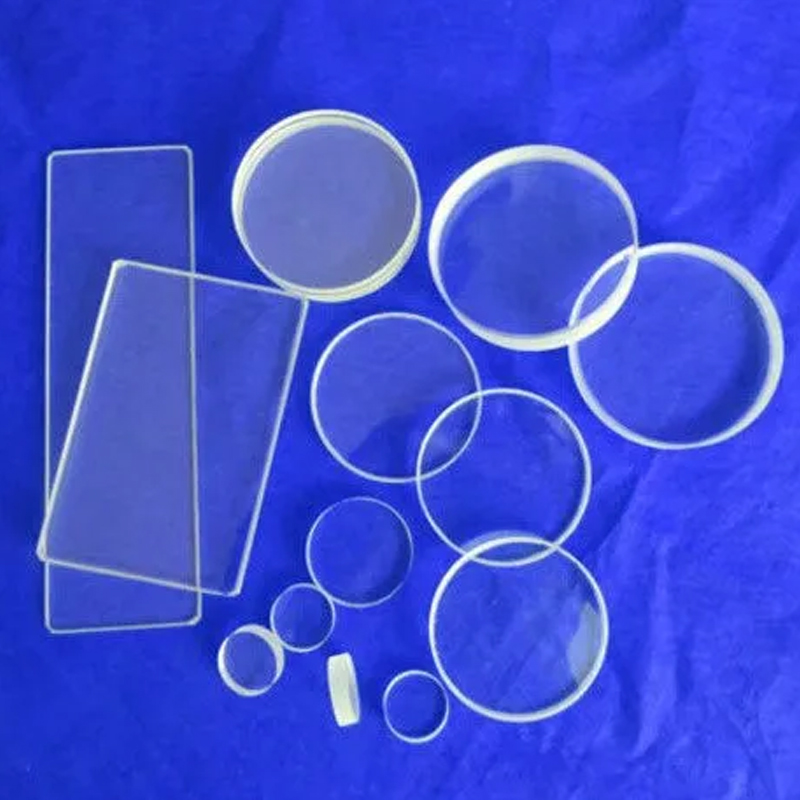
 Optical Quartz Window with High Purity and Thermal StabilityFeaturing silica content above 99.99% and Mohs hardness of seven, this window offers low thermal expansion and excellent electrical insulation, making it suitable for optical systems where density uniformity affects wavefront quality.View Product →
Laboratory apparatus and precision instruments
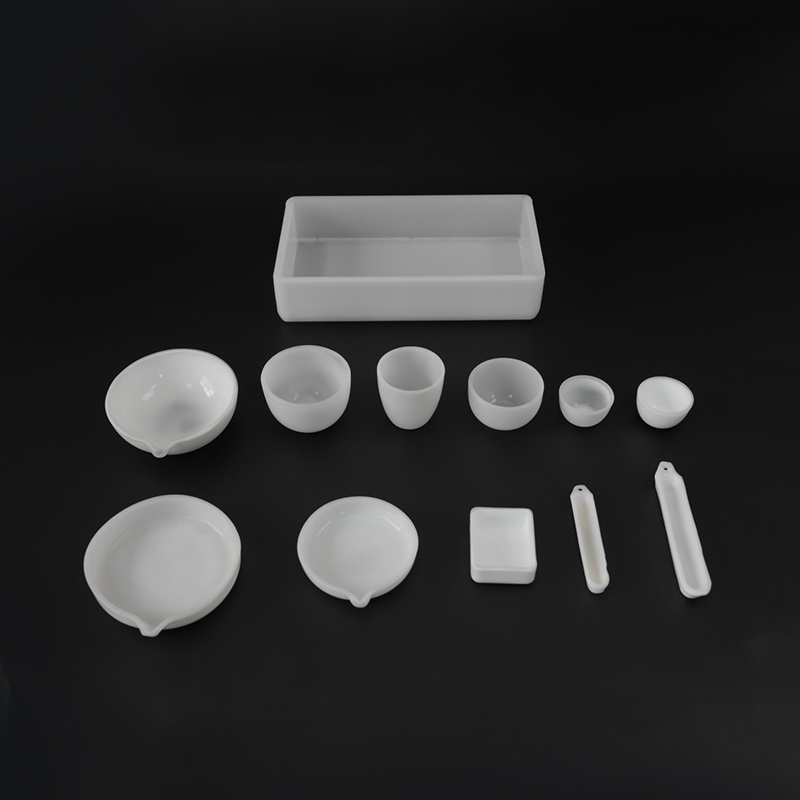
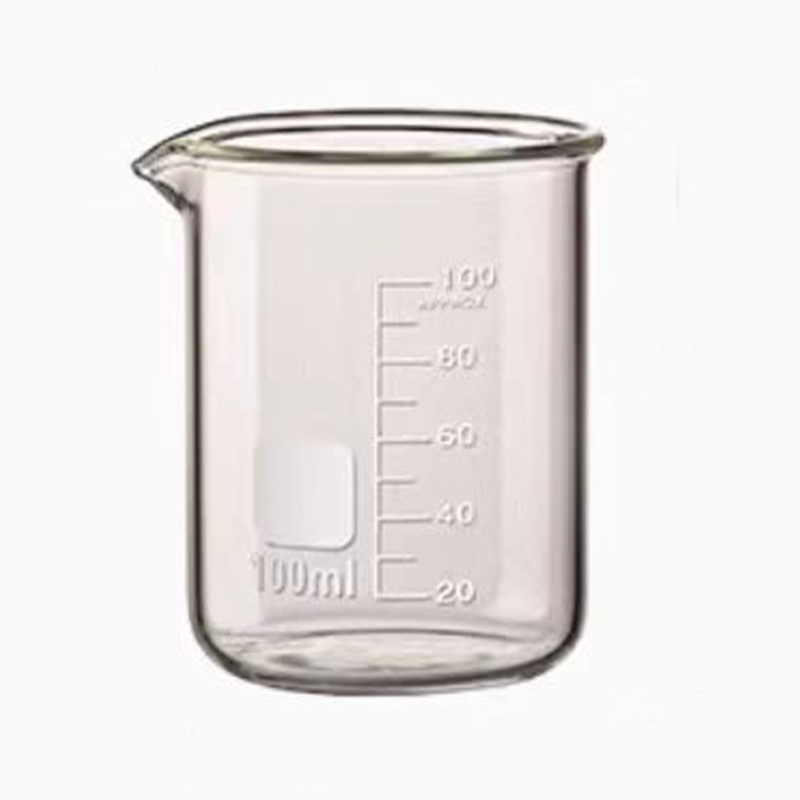
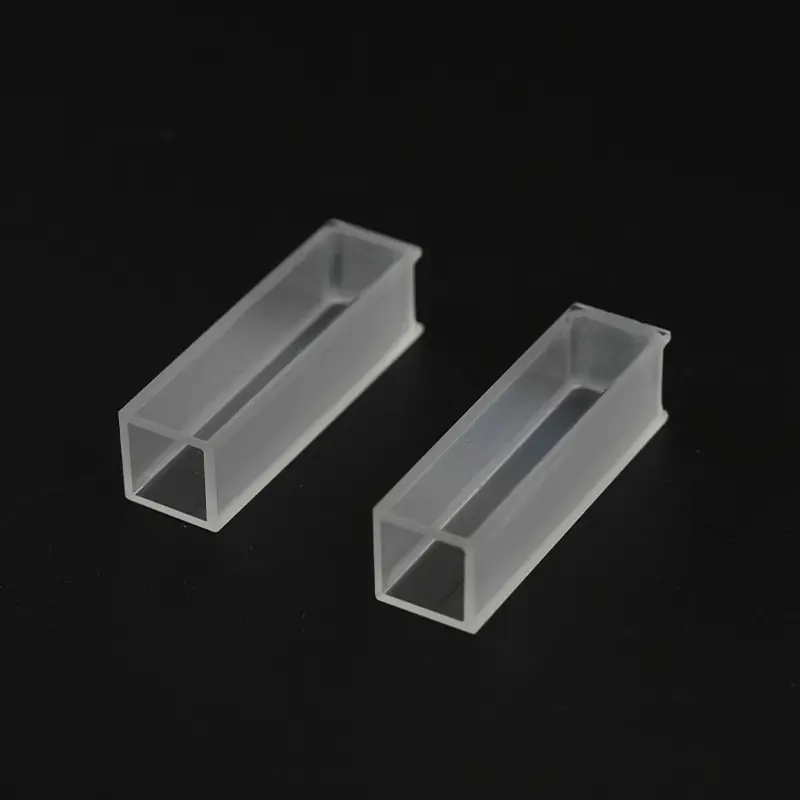
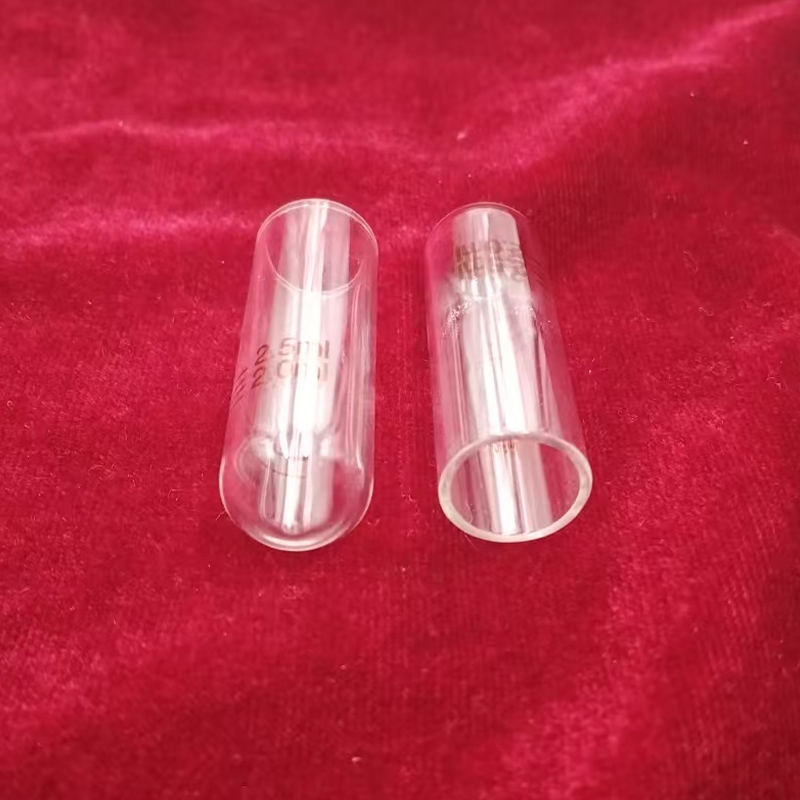
Quartz laboratory ware such as beakers, crucibles, cuvettes, test tubes, and digestion vessels is specified partly for purity and partly for geometric precision. Density enters the picture in buoyancy calibrations, volumetric glassware testing, and analytical balances. A quartz cuvette that is 1 percent denser than its nominal value will have thinner walls for the same external dimensions, changing the optical path length and potentially shifting a spectrophotometer reading. Buyers who purchase in bulk for laboratories should request the density value reported by the fused quartz manufacturer so that the laboratory can compensate if necessary.
The common thread across all four application families is that density is never the only specification, but it is always a cross-check on process stability. When a purchaser combines measured density with OH content, trace metal analysis, and dimensional inspection, the supplier's quality system becomes far harder to fake.
Key takeaway: In semiconductor, optical, heating, and laboratory settings, fused quartz density is used to calculate weight, confirm wall uniformity, and verify thermal history, making it a practical quality gate for every incoming inspection.
Fused Quartz Density and Related Physical Properties
Density does not work alone. The design of a quartz component depends on a cluster of properties that all trace back to the same amorphous silica network. Understanding how density relates to mechanical strength, thermal expansion, thermal conductivity, and electrical resistivity helps a buyer interpret data sheets and predict how a part will behave in service.
| Property | Typical value | Practical relevance |
|---|---|---|
| Density | 2.20–2.21 g/cm³ | Weight, thermal mass, uniformity check |
| Porosity | 0% (clear grades) | Gas tightness, contamination resistance |
| Hardness | 5.5–6.5 Mohs; ~570 KHN | Scratch resistance during handling |
| Tensile strength (design) | ~48 MPa | Cooling rate limits, mounting stress |
| Compressive strength | >1.1 GPa | High-pressure viewport designs |
| Young's modulus | ~72 GPa | Deflection under load |
| CTE (20–300°C) | 0.55 × 10⁻⁶/K | Thermal shock resistance |
| Thermal conductivity | ~1.3–1.4 W/(m·K) | Heat-up rate, insulation design |
| Softening point | ~1680°C | Maximum service temperature of annealed ware |
| Volume resistivity | >10¹⁸ Ω·cm at 20°C | Electrical insulation in lamp systems |
The link between the low density of the glass and its thermal expansion deserves special attention. Because the amorphous network contains a certain amount of "free volume," the structure can absorb thermal vibration without changing its dimensions much. That low expansion, not the density itself, is what gives fused quartz its legendary resistance to thermal shock. The low thermal conductivity of quartz glass also follows from the open network: heat must travel through a disordered, weakly bonded structure, so the material conducts roughly 60 times less heat than aluminum. A thinner quartz tube will therefore reach thermal equilibrium faster in an infrared heater, which is exactly what heating element designers want. Mechanically, the moderate stiffness of 72 GPa means that quartz tubes are not as rigid as alumina or steel, so long horizontal tubes must be supported at intervals to prevent sagging at high temperature. Because density stays close to 2.20 even at operating temperatures, buoyancy forces in a vacuum deposition chamber do not change with time, and the dimensional stability of the component keeps the process chamber predictable. Finally, the very low porosity and high density of clear fused quartz are what make it impenetrable to process gases, an essential property for diffusion tubes and crucibles holding molten materials. A "quartz density chart" on a datasheet should therefore be read together with these adjacent properties; any value that is out of family should raise a red flag before the part ever reaches the cleanroom.
Key takeaway: Fused quartz density sits at the center of a property cluster; the same open glass network that gives the low 2.2 g/cm³ value also produces low expansion, low thermal conductivity, and excellent electrical insulation.
How to Measure and Verify Fused Quartz Density
Measuring fused quartz density in practice is a straightforward but precise operation that any factory laboratory or third-party inspector can perform. The standard method is the Archimedes immersion technique, often following ASTM C693 or ISO 5017. The sample is weighed in air, weighed again while submerged in distilled water, and the density is calculated from the ratio of the two measurements, corrected for the temperature-dependent density of the water.
- Cut or select a clean, representative sample of at least 20 to 50 grams from the material; avoid edge chips, cracks, and surface contamination.
- Clean the sample with ethanol or a suitable solvent, rinse it in deionized water, and dry it completely so that surface moisture cannot bias the first weighing.
- Weigh the dry sample in air on an analytical balance with a resolution of 0.1 mg; record the mass as m(air).
- Suspend the sample in degassed distilled water at a recorded temperature, typically 20°C or 25°C, using a fine wire or a purpose-built sinker; ensure no air bubbles cling to the surface.
- Weigh the suspended sample and record the apparent mass as m(water).
- Calculate density using the formula ρ = [m(air) × ρ(water)] / [m(air) − m(water)], where ρ(water) is the density of water at the measured temperature.
- Repeat the measurement on three separate samples from the same batch and report the average and the spread; a variation of less than 0.005 g/cm³ is typical for a well-annealed clear quartz production lot.
For large components such as furnace tubes or thick-walled crucibles, the immersion method may be impractical. In that case, the mass of the dry component is divided by the volume calculated from its external dimensions, and the result is compared with the factory certificate. This geometric method is less accurate because wall-thickness tolerances and ovality introduce uncertainty, but it is often sufficient for confirming that a delivered tube matches the expected fused quartz density within 0.02 g/cm³. For very dense products such as quartz ingots and blocks, or for high-purity quartz powder, gas pycnometry with helium gives the most reliable true density value by excluding open porosity that water might penetrate.
Why does the measurement method matter to the buyer? The same density certificate can be generated by a good or a poor technique. An unskilled operator who forgets to degas the water, fails to account for the density of water at a different temperature, or uses a contaminated sinker can easily produce a result that is off by 0.02 g/cm³ or more. When a fused quartz manufacturer states that the density was measured with reference to a specific standard and gives the balance resolution and water temperature on the certificate, that level of detail is a strong signal of a mature quality system. Buyers should also ask whether the density measurement was done on the sold component itself or on a test piece from the same melt, because a parted-off sample from the article end is much more representative than a separate laboratory ingot.
Key takeaway: Archimedes immersion measurement per ASTM C693 or ISO 5017 is the reliable way to verify fused quartz density; insist on a documented test method and a measured batch value, not a copied typical value from a brochure.
A Buyer's Selection Guide: Density, Grade, and Supplier Considerations
When a purchasing team evaluates quartz glass from multiple manufacturers, the density line in the technical datasheet should be interpreted in five different ways. The table below summarizes what to check and why it matters in the decision. In practice, the buyer is not looking for the highest or lowest density; the buyer is looking for consistency, documentation, and a value that matches the stated grade and production method.
| What to check Density value quoted on certificate of analysis Hydroxyl (OH) content for the same batch Annealing statement and fictive temperature Trace-metal purity in ppm Geometric wall-thickness tolerances Test standard cited for the density method |
Why it matters Confirms grade and process stability across the lot Explains IR absorption and potential density spread Predicts sagging resistance in continuous high-temperature service Determines suitability for semiconductor and optical processes Allows correct conversion of density into component mass Allows you to repeat the measurement in your own lab |
In addition to the checklist, buyers working with a Chinese quartz glass manufacturer or supplier should understand that the same material can be delivered as transparent quartz, milky quartz, opaque quartz, or low-OH synthetic fused silica, and that each family has its own density expectation. The horizontal cards below show three common configuration types available from a typical quartz products factory and the density context that goes with them.
Clear fused quartz
Bubble-free transparent glass with density of 2.20–2.21 g/cm³. Used for furnace tubes, crucibles, optical windows, and laboratory ware where gas tightness and UV transmission are required.
Low-OH fused silica
Hydroxyl below 5 ppm, density near 2.20 g/cm³, low absorption at 2.7 µm. Selected for infrared optics, lamp envelopes, and high-temperature semiconductor processes where OH must not migrate into the wafer environment.
Opaque / milky quartz
Contains controlled micro-bubbles, giving effective bulk density slightly below 2.20 g/cm³ and a milky appearance. Used for infrared heating tubes, thermal insulation, and applications where diffuse radiation is preferred.
From a commercial perspective, density documentation helps the buyer separate genuine manufacturers from trading companies. A manufacturer that runs its own melting furnaces can provide lot-level certificates, density reports, and adjustment of annealing cycles when a customer reports performance issues. A wholesaler that repackages imported blanks can only pass along the original document if its upstream supplier is disciplined enough to produce it. When buying in wholesale quantities, the density spread across multiple batches matters as much as the average value; a responsible supplier will state that all batches fall within, for example, 2.200 ± 0.004 g/cm³ rather than claiming a perfect constant.
The final and most useful question a buyer can ask is simple: "May we see the latest density measurement for the actual grade we intend to order?" A factory that answers with a dated report, the sample mass, the water temperature, and the measured density value has demonstrated that it understands fused quartz density well enough to control it. A factory that answers with a generic retail datasheet has not, and that difference often predicts the entire quality relationship to come.
Key takeaway: Learn to treat density as a batch-controlled process property; the best supplier is the one that gives you a measured value, the test method, and the adjacent hydroxyl and purity data without being asked twice.
Frequently Asked Questions About Fused Quartz Density
Below are the questions that procurement and engineering teams most often ask when they evaluate fused quartz density for tubes, rods, plates, crucibles, and custom quartzware.
What is the density of fused quartz in g/cm³?The commonly quoted fused quartz density is 2.2 g/cm³, which is equal to 2.2 × 10³ kg/m³. Clear, well-annealed fused quartz typically measures between 2.20 and 2.21 g/cm³, while some synthetic grades can reach 2.22 g/cm³ depending on OH content and thermal history. Any certified value between 2.19 and 2.23 g/cm³ can still be called fused quartz, so always ask for the measured value for the specific batch. |
Is fused quartz density the same as fused silica density?Yes, in practical use the terms fused quartz and fused silica describe the same amorphous silicon dioxide glass. "Fused silica" usually refers to synthetic material made from SiCl₄, while "fused quartz" refers to material made by melting natural quartz crystal. Both sit near 2.20 g/cm³, with synthetic grades often slightly lower when hydroxyl content is high. When you compare data sheets, the density difference between the two names is almost always smaller than the batch-to-batch variation within one manufacturing process. |
Why is crystalline quartz density higher than fused quartz density?Crystalline quartz has a density of about 2.65 g/cm³ because its atoms are arranged in a regular, tightly packed crystal lattice. Fused quartz is an amorphous or glassy solid, so its silicon-oxygen tetrahedra are connected in a random network with more free volume. That open structure is exactly what gives fused quartz its low coefficient of thermal expansion and resistance to thermal shock, so the lower density is a feature, not a defect. |
Does fused quartz density change with temperature?Yes, but only slightly. Between room temperature and 1,000°C, the total thermal expansion of fused quartz is only about 0.05 percent, so the density falls from about 2.20 g/cm³ to roughly 2.19 g/cm³. After cooling back to room temperature, the density returns to its original value unless the thermal history has changed. Permanent density change occurs only after extended operation above the annealing point, or after irradiation in specialized applications. |
How can I check whether a quartz component really has the correct density?The practical method is Archimedes weighing: measure the dry mass, then measure the apparent mass while the sample is suspended in distilled water, and calculate the density using the standard formula. A simpler incoming inspection for large tubes is to calculate the mass from the measured external dimensions and compare it with the delivered weight. If the difference exceeds about 2 percent, request a certificate or send the component to a test laboratory. For optical and semiconductor material, insist on a documented measurement method such as ASTM C693. |
How does OH content affect fused quartz density?Hydroxyl groups break the silicon-oxygen network and create more free volume, so higher OH content generally lowers the density. A high-OH synthetic fused silica with 900 ppm of hydroxyl can measure 0.01 to 0.02 g/cm³ lower than a low-OH plasma-grade material. Hydroxyl also creates a strong absorption band near 2.7 µm, which is why infrared applications require low-OH quartz glass while ultraviolet applications often tolerate or even prefer controlled OH levels for different reasons. |
Which fused quartz density is best for semiconductor processing?There is no "better" density target for semiconductors; the key is a consistent, certified density within the normal clear quartz range of 2.20 to 2.21 g/cm³. Semiconductor buyers care more about purity, bubble-free structure, and dimensional stability during repeated thermal cycles. If a supplier reports an unusually low density below 2.18 g/cm³, investigate the test method, the sample preparation, and the annealing record before accepting the batch for a critical furnace tool. |
Does the density of quartz glass affect its price?Indirectly, yes. The production route that achieves a precise, reproducible density range usually involves better raw materials, controlled melting, and an annealing step, all of which increase cost. A low-density, poorly annealed product is cheaper to make but will show more variability in service. When you compare quotes from a quartz glass manufacturer, ask what density range is guaranteed and what test evidence supports it; that question often explains a price difference better than any commercial negotiation. |
Where can I buy fused quartz with a certified density certificate?Order directly from a quartz glass manufacturer that operates its own melting and annealing furnaces and can issue a certificate of analysis with the measured density, OH content, and trace-metal data for each batch. Industrial buyers can also purchase from established suppliers and wholesalers of clear quartz tubes, quartz glass plates and windows, crucibles, and custom quartzware, provided that those intermediaries pass along the original factory certificate. The most reliable sourcing strategy is to confirm the density test method before placing the order, not after the material arrives at the dock. |
Prodotti in vetrina
Copyright © Yancheng Mingyang Quarzo Products Co., Ltd. Tutti i diritti riservati.
Produttore all'ingrosso di prodotti al quarzo Fabbrica di vetro al quarzo